The Spaces we inhabit
Speaking of planetary health means recognizing ourselves as participants in the relationships that sustain life. These relationships unfold in physical and symbolic spaces: places where our experience takes place, where we meet others, and where our becoming in the world takes shape.
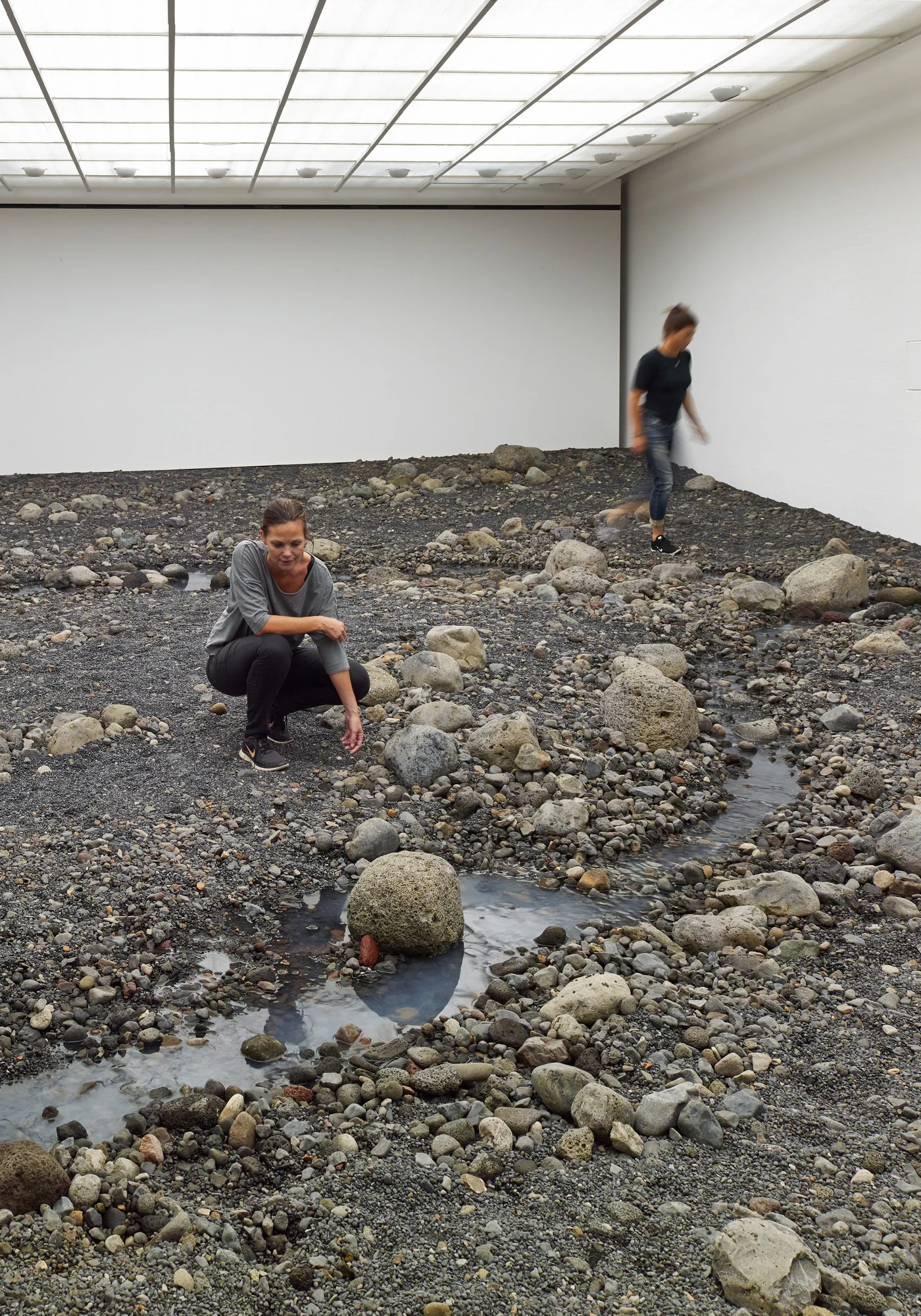
A shared meal can help us understand this. Before we sit down at the table, there is food, there are people who grew it, water, soil, and labor. There is also someone who cooks, someone who arrives, memories that accompany a recipe, and conversations whose direction we cannot yet foresee. In that everyday space, different ways of inhabiting the world come together.
I propose thinking about three: the receptive or passive, the creative, and the participatory. These modes intertwine, though each opens distinct possibilities.
In the spaces we inhabit receptively or passively, we take in information, narratives, images, and ideas. Cinema and the social media feed are examples of this disposition. What we see may move us, broaden our perspective, and leave us thinking. Our capacity to intervene in what happens there, however, tends to be limited.
This way of inhabiting lends itself especially to consumption: the experience arrives already made, and we devote our attention to receiving it. My hypothesis is that when it becomes a stream of content we can barely process, its transformative potential narrows. We move from one thing to the next and leave little room to work through what we have received or to do something with it.
In creative spaces, a different disposition emerges. Cooking, writing, or walking while we give shape to our thoughts are ways of working through our experience. We bring our abilities and knowledge into play; we try, adjust, and discover possibilities. In the kitchen, a recipe meets what we have on hand, our tastes, and what we have learned. Something takes shape through what we do.
Participatory spaces add a particular dimension: reciprocity. What happens is shaped by our presence, our actions, and the responses of others. We have to be there for something to happen! Each person contributes something to an experience whose unfolding depends on that exchange.
Let us return to the meal. Someone tells a story, and someone else remembers something they had forgotten. A single remark shifts the course of the conversation. There are gestures, silences, disagreements, laughter, and ways of paying attention. The gathering takes a form that emerges from the contributions of those who are present.
A meal can be called for the simple pleasure of being together. Its meaning can also appear as it unfolds. Something similar happens at a celebration, a ritual, or a gathering of friends: by participating, we contribute to an experience that, in turn, acts upon us.
That is where I locate its transformative potential. Doing things with others brings us into relation with desires, rhythms, and perspectives that have a life of their own. It invites us to respond, to adjust what we do, to find a way of being present. We may discover that we know how to listen, that we find it hard to yield, or that someone we thought we knew carries something we had never seen. And this fundamental experience, that friction, that change of course in what we assumed was the natural flow of things, is among the things that set us apart from machines.
That said, and without romanticizing it (a tendency of mine), participation can also reproduce hierarchies, exclusions, and hurtful habits. I would suggest that its capacity to orient us toward care depends on how the encounter unfolds: on the room there is to intervene, on the attention given to different voices, and on the possibility of influencing what happens. On the intention of those who inhabit it.
When those conditions find a place, we can experience that our presence counts and that what is shared requires others. In that experience, a capacity for collective action is exercised. We learn to build something whose course depends on our contributions and on our willingness to respond to the contributions of others.*
Shared responsibility can begin there. Something we have made together takes on value for us, and the desire to sustain it emerges: to meet again, to care for someone going through a hard time, to keep a space open, to take charge of what makes living together possible. How distant it seems, and how necessary it is.
From that table, we can look again at planetary health. The food we share takes part in relationships that extend toward the soil, water, labor, and other forms of life. Recognizing them requires attention. We can begin with a recipe and explore its origins, who produced the food, or what we do with what is left over. Everyday life offers opportunities to make those relationships visible and to take on some responsibility for them.
The mix of spaces we inhabit matters a great deal to how much we enjoy this turn through samsara. A life devoted to consumption leaves fewer occasions to work through and share our experience. Creating opens possibilities for expression and action. Participating lets us experience what happens when those possibilities meet those of others.
In that shared doing, we can develop capacities to care for the world we inhabit. We can also transform ourselves.
In this way, who we are takes shape in relationship. The experience of doing things with others can make us more attentive to the lives we depend on and to those our actions affect. We can leave a table with a different way of listening, with a commitment that did not exist before, or with a new understanding of our place in the world. When was the last time that happened to you? If it was a long time ago, it may be worth beginning to inhabit more participatory spaces on purpose. To bring our whole self to every encounter.
The psychologist W. M. Mace condensed an invitation to think about our relationship with the environment into a phrase that echoes JFK’s well-known formula: “Ask not what’s inside your head, but what your head’s inside of.”
We can bring that invitation to the table we have shared: attending to the relationships, rhythms, and possibilities that the encounter opens for those who take part. From there, the intuition running through this text makes sense: spaces make us even as we make them. By caring for how we come together, we can also cultivate other ways of being and of relating to the world.